
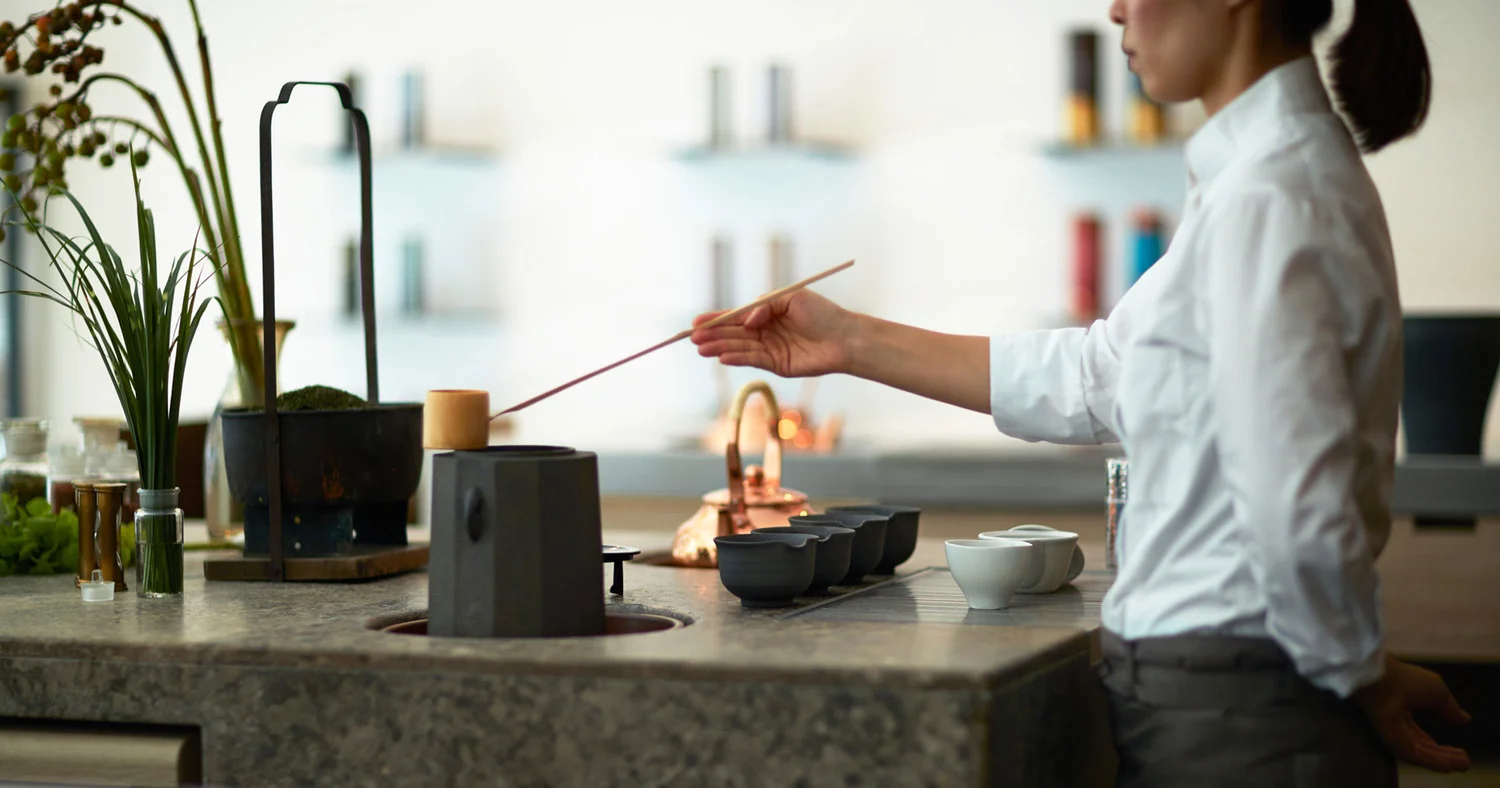
Japan Tea Time Essentials: Popular Tea Store Products for Everyday Relaxation
Tea time in Japan is deeply woven into everyday life, not only as a cultural tradition but also as a personal moment tea time boba of relaxation. Unlike the formal tea ceremony often associated with Japanese culture, daily tea drinking in Japan is practical, accessible, and thoughtfully integrated into modern routines. From convenience store bottles to carefully selected loose-leaf teas from specialty shops, Japan offers a wide range of tea products designed for comfort, health, and simplicity.
Everyday Tea Culture in Japan
In Japan, tea is consumed throughout the day—during meals, at work, and at home. It is not reserved for special occasions but treated as a natural part of daily hydration and wellbeing. Green tea, in particular, is a staple beverage, valued for its clean taste and perceived health benefits.
Many households keep a variety of teas on hand, including sencha for everyday drinking, genmaicha for a roasted rice aroma, and hojicha for a smooth, low-caffeine option in the evening. These teas are often brewed quickly and enjoyed without elaborate preparation, reflecting the efficiency of modern Japanese lifestyle.
Popular Tea Store Products in Japan
Japanese tea stores offer a wide range of products that cater to both casual drinkers and tea enthusiasts. One of the most popular categories is loose-leaf green tea, especially sencha sourced from regions like Shizuoka and Kagoshima. These teas are prized for their fresh, grassy flavor and balanced bitterness.
Another essential product is matcha powder, which is used not only for traditional tea preparation but also for modern drinks and desserts. High-quality ceremonial matcha is often sold in small tins, emphasizing freshness and preservation of aroma.
Roasted teas such as hojicha are also widely available. With its warm, nutty flavor and low caffeine content, hojicha is especially popular for evening relaxation or for those sensitive to caffeine.
Ready-to-Drink Tea: Convenience Meets Tradition
One of the most unique aspects of Japanese tea culture is the availability of ready-to-drink bottled tea. Found in vending machines, convenience stores, and supermarkets, these products allow people to enjoy authentic tea flavors anytime, anywhere.
Popular bottled teas include unsweetened green tea, barley tea (mugicha), and lightly roasted oolong tea. Despite being mass-produced, many of these beverages maintain surprisingly high quality and are designed to closely replicate freshly brewed tea.
This convenience reflects Japan’s ability to merge tradition with modern efficiency, ensuring that tea remains accessible even in the busiest urban environments.
Specialty Tea Stores and Craft Brands
Beyond convenience products, Japan is also home to numerous specialty tea stores that focus on craftsmanship and origin. These stores often highlight single-origin teas, carefully sourced from specific regions and harvest seasons.
Customers can explore different flavor profiles through tasting sessions, guided by knowledgeable staff who explain brewing techniques and tea characteristics. Packaging is often minimal yet elegant, emphasizing purity and quality rather than mass appeal.
Many modern tea brands in Japan also experiment with new formats, such as tea bags made from whole leaves or cold brew tea kits designed for home use. These innovations make high-quality tea more approachable for everyday consumers.
Tea as a Moment of Relaxation
In Japanese daily life, tea is often associated with calmness and mental clarity. Taking a short tea break during work or enjoying a quiet cup at home is seen as a way to reset the mind and reduce stress. This simple ritual plays an important role in maintaining balance in a fast-paced society.
Even in urban cities like Tokyo and Osaka, tea moments are treated with care. Whether it is a quick bottle of green tea on a train or a freshly brewed cup at home, the act of drinking tea provides a sense of grounding and routine.
A Blend of Tradition and Modern Living
What makes Japanese tea culture unique is its ability to adapt without losing its essence. Traditional tea values—such as respect for ingredients, attention to detail, and appreciation of nature—are still present in both handcrafted teas and modern bottled products.
From specialty tea stores to everyday convenience drinks, Japan offers a tea experience that is both deeply cultural and highly practical. It is this balance that makes tea time in Japan not just a tradition, but a lifestyle that fits seamlessly into daily life.